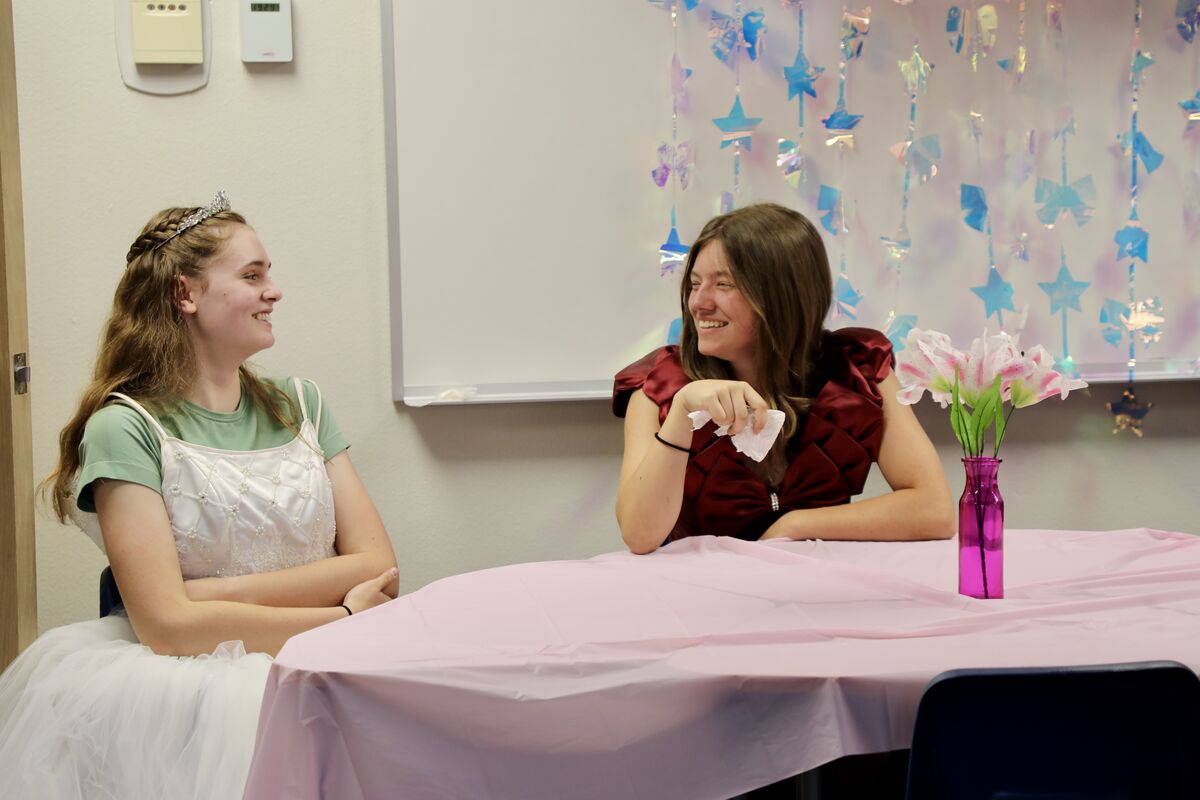
Orange Grove students stage a quinceañera as part of their family unit, bringing a cherished cultural tradition to life in the classroom
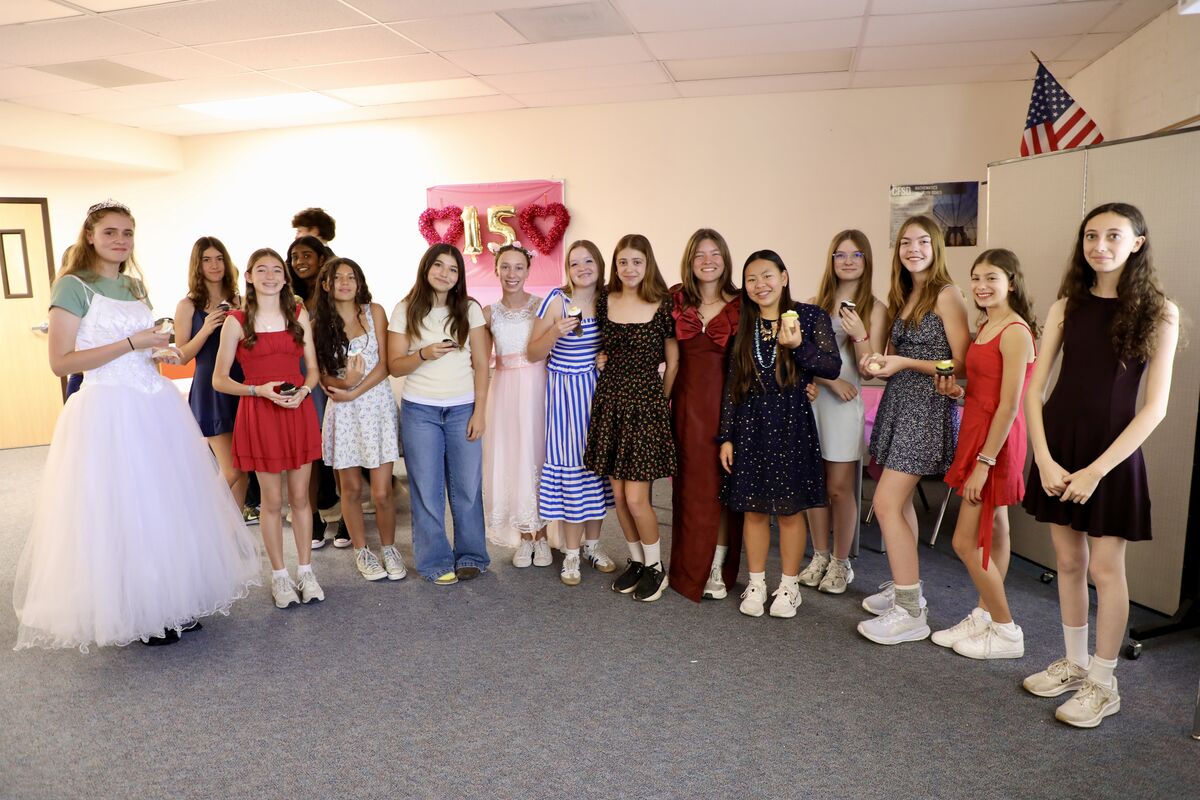 The classroom was transformed. Pink tablecloths covered the desks. Gold "15" balloons flanked a pair of tinsel hearts on the back wall. A balloon arch in pastel pink, mint, and lavender framed the scene. Vases of pink flowers sat on every table. And in the middle of it all, a student in a white tulle gown and a tiara waited to make her entrance. This looked like a fiesta de cumpleaños, but it was Spanish class.
 At Orange Grove Middle School, Spanish teacher Señora Amber Robles brought the quinceañera tradition to life as the culminating project of her Bridging Cultures class. In Unit 7, students spent weeks studying la familia, practicing how to identify and explain relationships, compare personalities and appearances, and explore the cultural significance of the quinceañera, from its roots in Aztec coming-of-age ceremonies to the influence of Carlota during Mexico's Second Empire, which introduced the formal gowns and waltzes still seen today. Then students stopped reading about it and started living it."When students take on a role and experience a tradition firsthand, the learning goes so much deeper than anything I can teach from a textbook," Señora Robles said. "They're not just memorizing vocabulary. They're feeling what this celebration means to the families who practice it."
 The learning behind the celebration was rigorous. Students had completed a reading on the quinceañera's historical roots, vocabulary exercises, comprehension questions in Spanish, and a cultural comparison analyzing the differences and similarities between the quinceañera and the American Sweet 16. The reflection prompt asked students to write a paragraph in Spanish about which tradición they found most interesting and why.
 Señora Robles staged the event and announced each student by name and role as they walked in. Some entered individually, others in pairs. Eleanor arrived as la quinceañera. Justin served as her chambelán de honor. Moussa played el padre, Gigi la madre, and Isabelle represented la niñez, childhood itself. Nine pairs formed la corte de honor, the court of honor that accompanies the quinceañera through her celebration. Six damas prepared un baile sorpresa, a surprise dance, for the honoree. Then the rituals began.
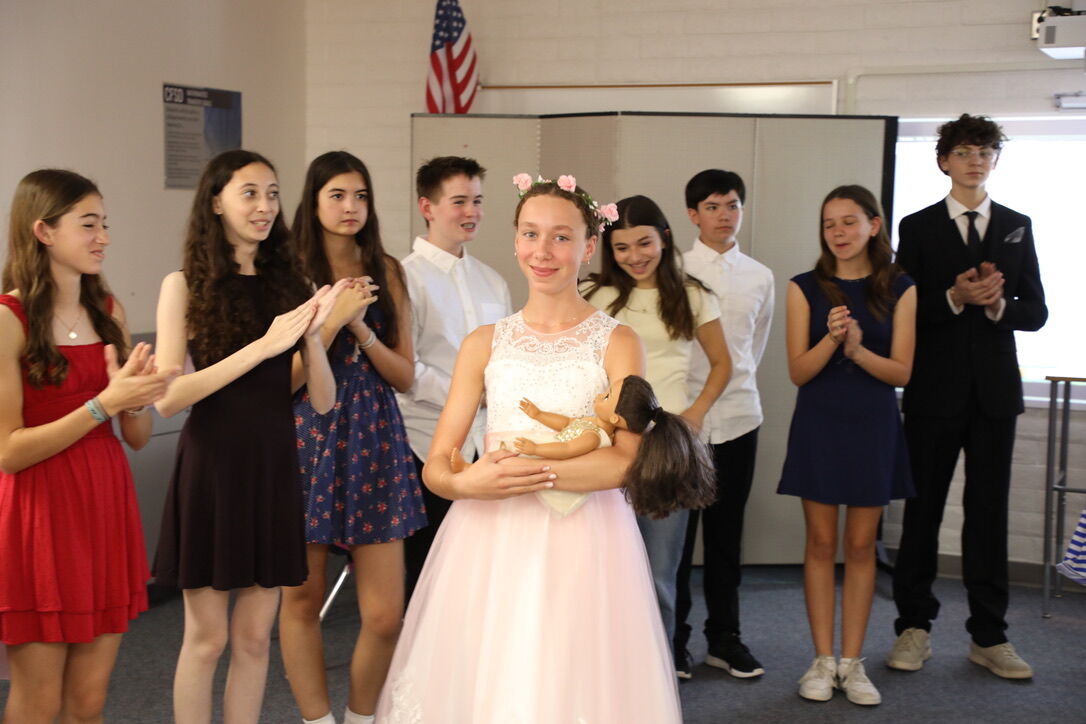 La niñez held la última muñeca, the last doll, a tradition symbolizing el fin de la infancia. Wearing a flower crown and a pink sash over her sequined dress, Isabelle danced with a doll in her arms as her classmates watched.
 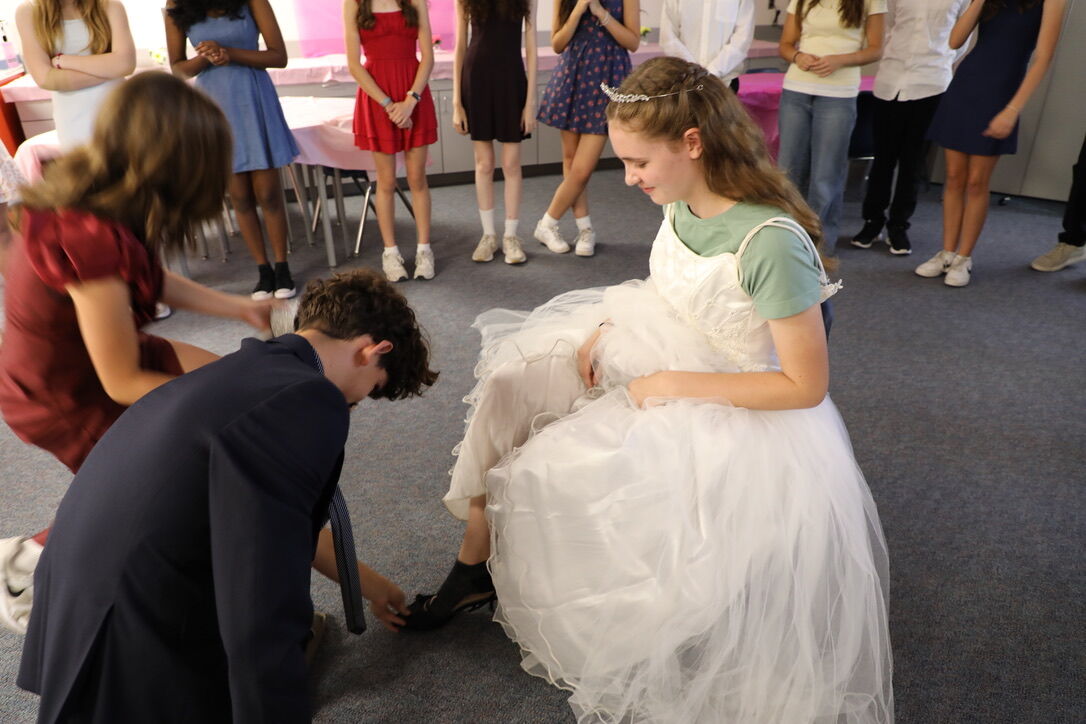 For el cambio de zapatos, the ceremonial changing of the shoes, Moussa knelt and replaced the quinceañera's flat shoes with heels, representing her step into womanhood. The class applauded.
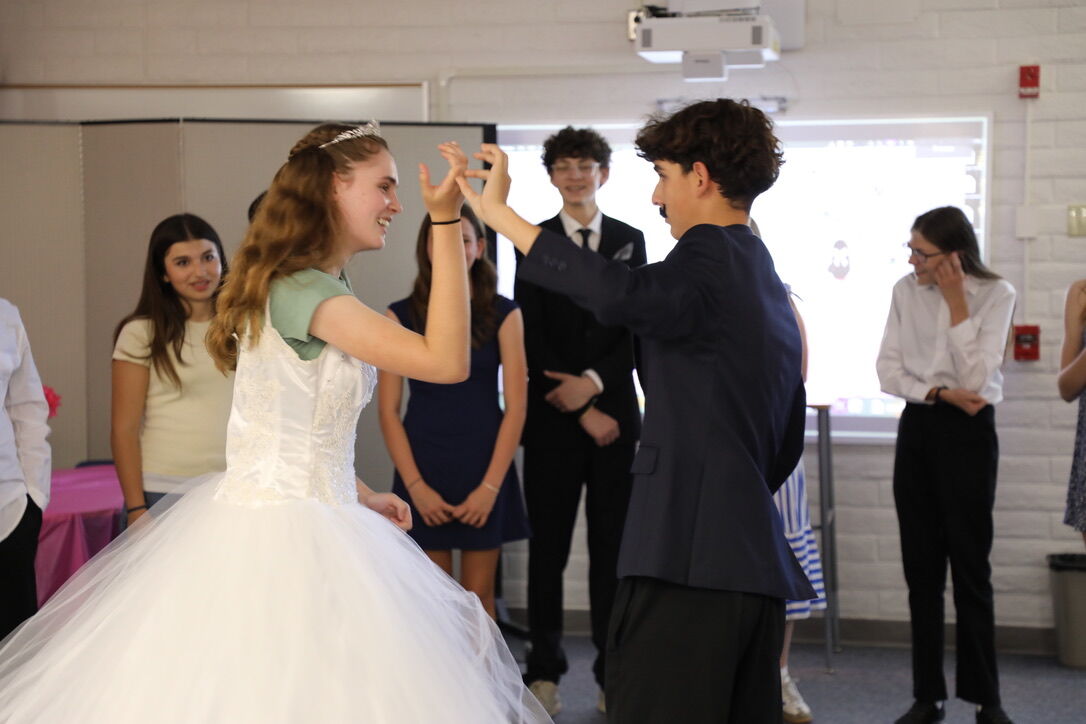
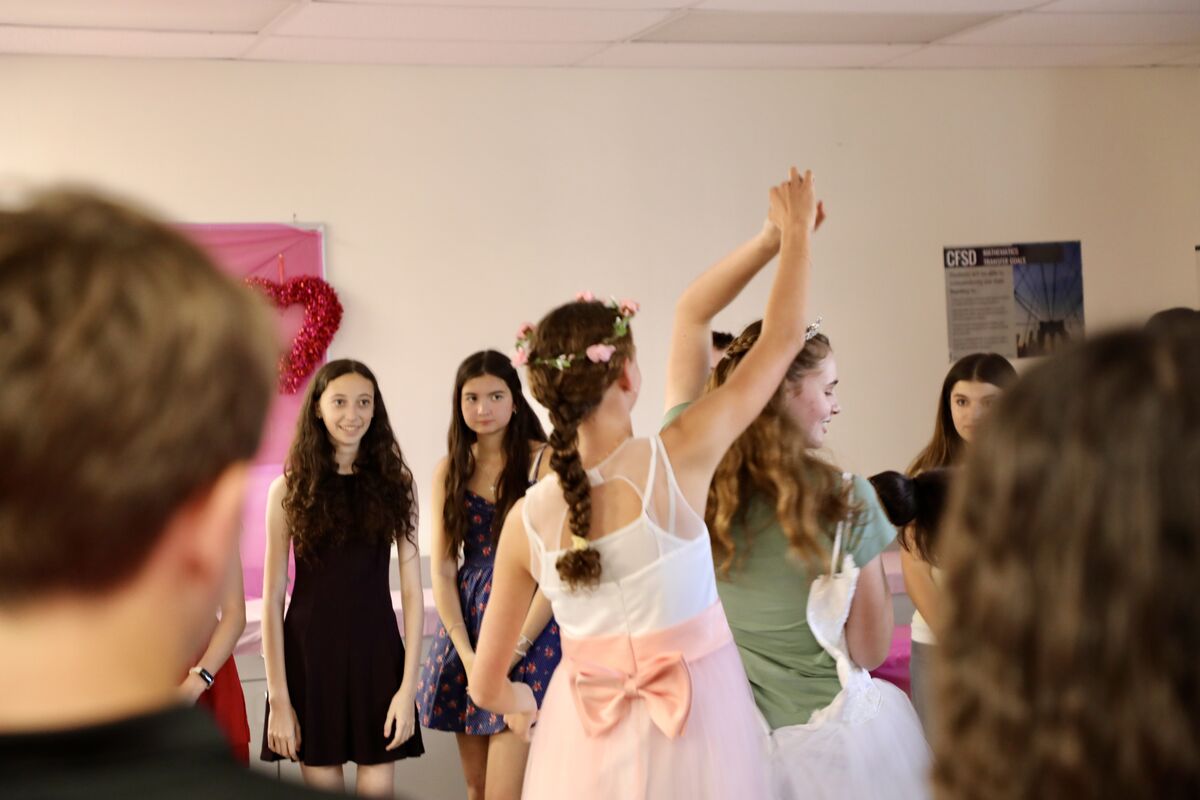 El vals came next. Eleanor and Justin danced together as la corte de honor clapped along, Moussa drawing laughs with his stick-on bigote as he led his partner across the floor with exaggerated flair. The damas performed their baile sorpresa. Then many students joined in for a group line dance, the formal giving way to alegría as students spun each other around the room.
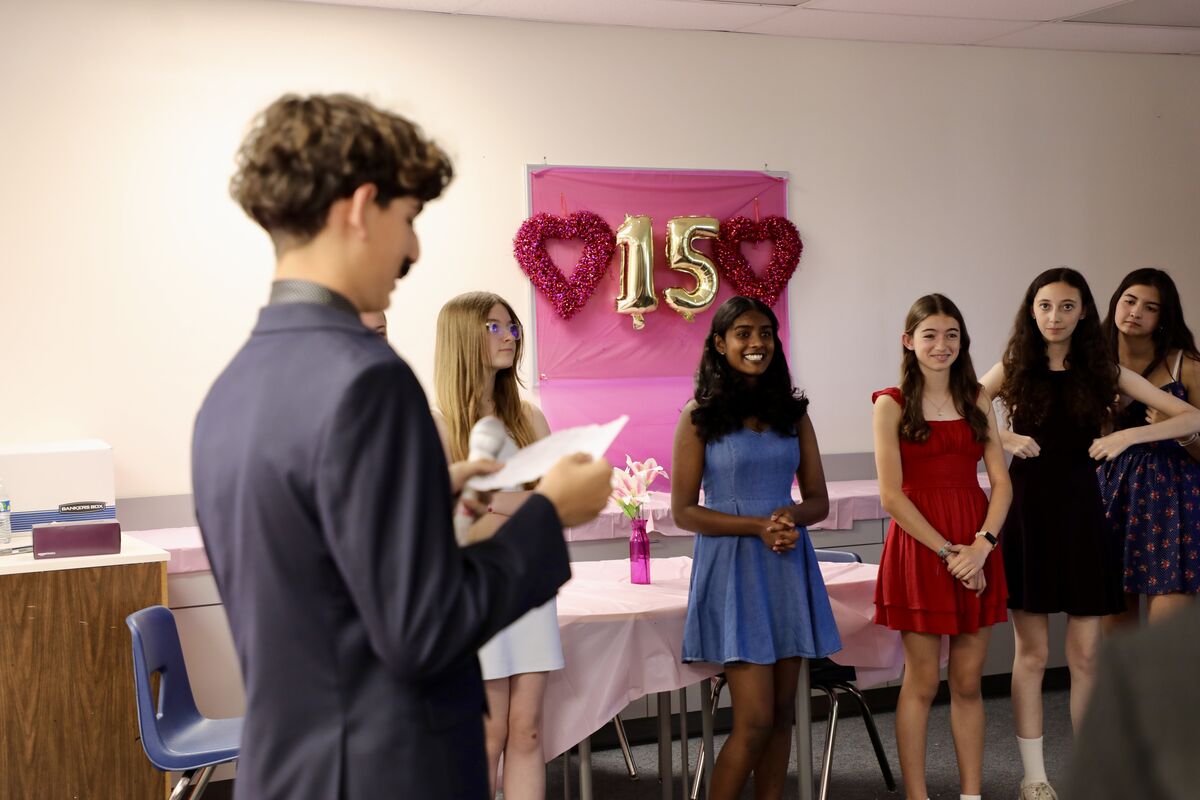
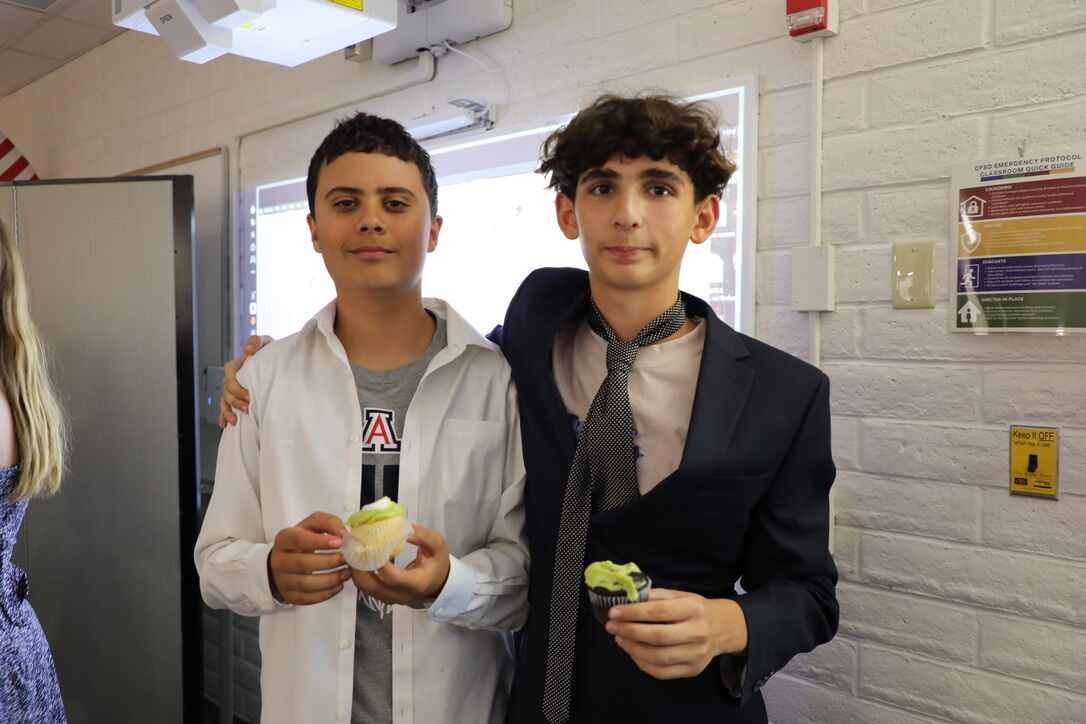
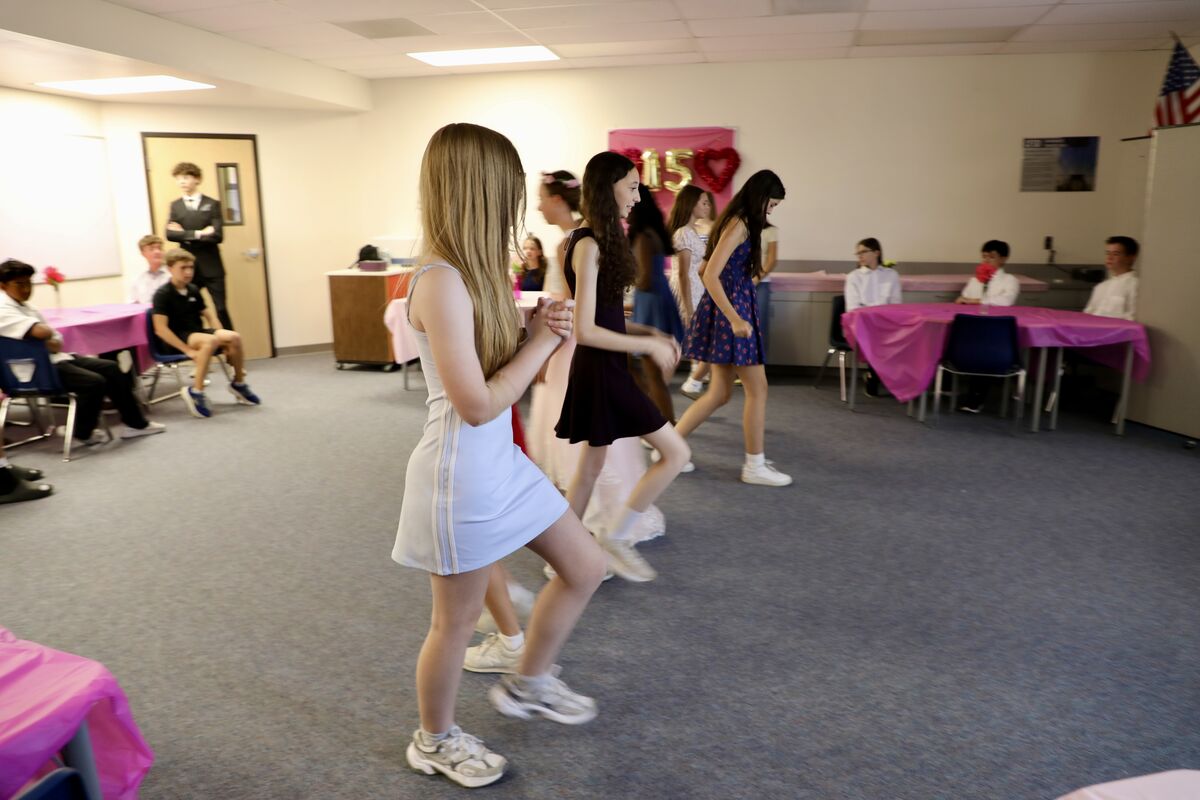 "Every student had a part to play, and they all rose to the occasion," Robles said. "That's what I love about this kind of learning. You give students a role, and they surprise you with how seriously and joyfully they take it."Señora Robles led la celebración with a microphone in one hand and a script in the other, narrating each moment and guiding students through the traditions they had studied on the page. She served cupcakes at the end, chocolate o vainilla.
 It took weeks of lesson planning, a reading on Aztec history, a vocabulary matching exercise, and a reflection essay in Spanish to get here. But in the end, these students will have a new understanding of what family means in Latin culture.