
Students Become Teachers: English 9 World Religions Project Prepares Class for Life of Pi
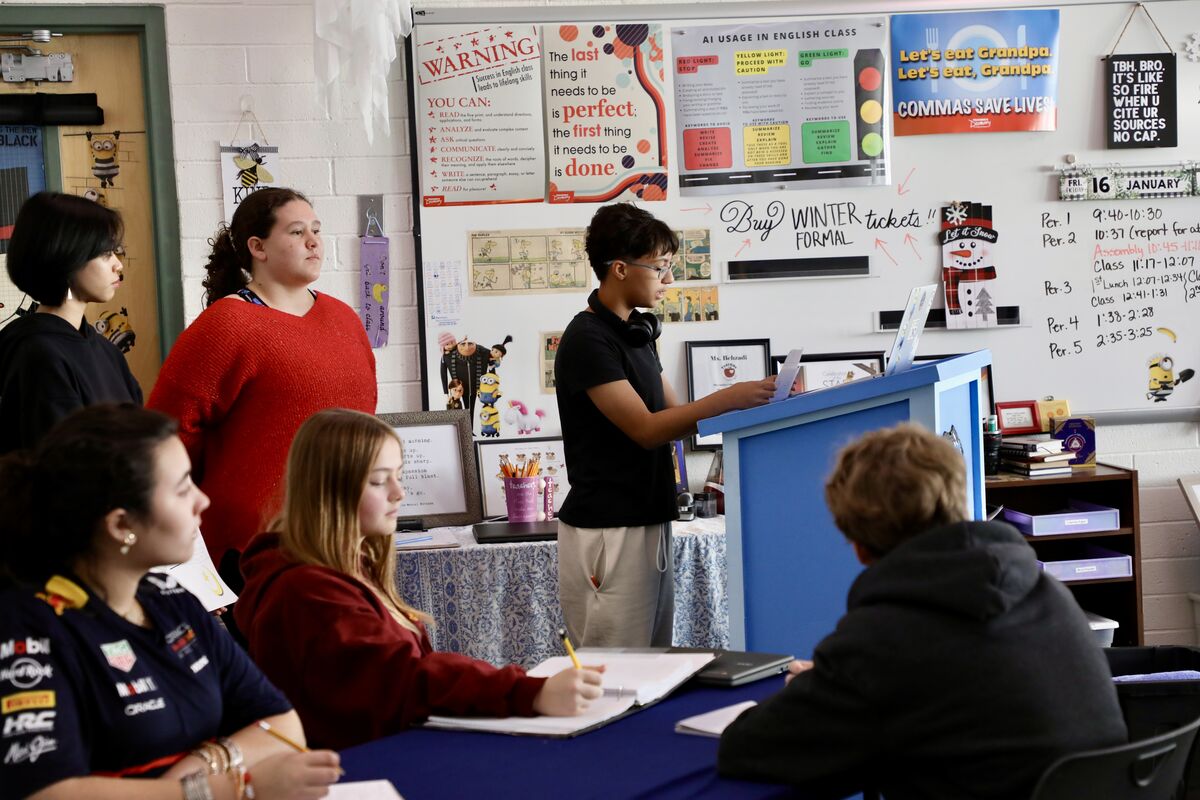 In Ms. Behzadi's English 9 class at Catalina Foothills High School, students recently stepped into the role of teacher, delivering comprehensive presentations on major world religions to prepare their classmates for reading Yann Martel's novel Life of Pi.
The innovative project transformed students into both researchers and educators, requiring them to deeply understand Hinduism, Islam, and Christianity—the three religions central to the novel's protagonist—and then teach that content to their peers.
From Students to Teachers
Divided into groups and assigned one of the three religions, students spent a week researching belief systems, practices, major deities, and sacred texts. But the assignment didn't stop at research. Each group had to create four distinct deliverables: a PowerPoint presentation, a visual poster, a 15-question summative quiz, and a cohesive classroom lesson.
"The goal of this project is to make the different religions accessible and easy for the entire class to understand as a basis for experiencing this novel," Ms. Behzadi explained in the assignment instructions.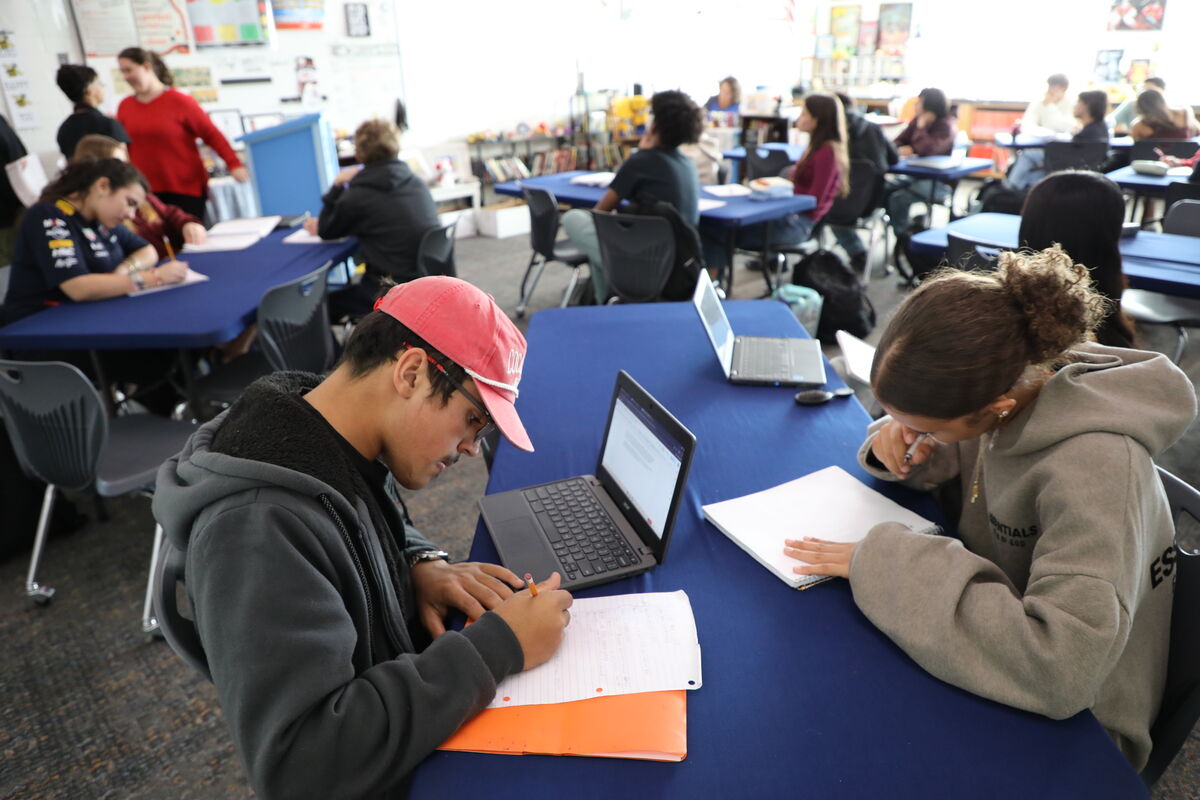 The presentations revealed the depth of student learning. Groups teaching about Islam walked classmates through the Five Pillars—Shahada (declaration of faith), Salah (prayer), Zakat (charity), Sawm (fasting during Ramadan), and Hajj (pilgrimage to Mecca)—emphasizing what students would need to know for the quiz. They explained the significance of the Kaaba, the holy site in Mecca that Muslims circle seven times during the pilgrimage, and shared that the doors, added in 1982, are now made of solid gold. Groups presenting on Hinduism introduced classmates to complex concepts like Samsara (the cycle of birth, death, and rebirth) and Moksha (liberation from that cycle). Using creative analogies, students explained meditation practices: "Imagine your mind is a sky and the clouds are your thoughts," one presenter explained, helping classmates understand the Hindu approach to contemplation. One particularly effective teaching moment came when a student used language learning as an analogy for the levels of Dharma: "You're learning a new language. So you collect books and apps—that's Dharma level one. You practice daily, learning new words—that's Dharma level two. You finally start understanding the language—Dharma level three. You move to a place where the language is spoken—that's Dharma level four. You end up perfecting it—that's Dharma level five."
"That's a really nice explanation of how it all works," Ms. Behzadi affirmed, helping students see how abstract spiritual concepts could be made accessible through everyday comparisons.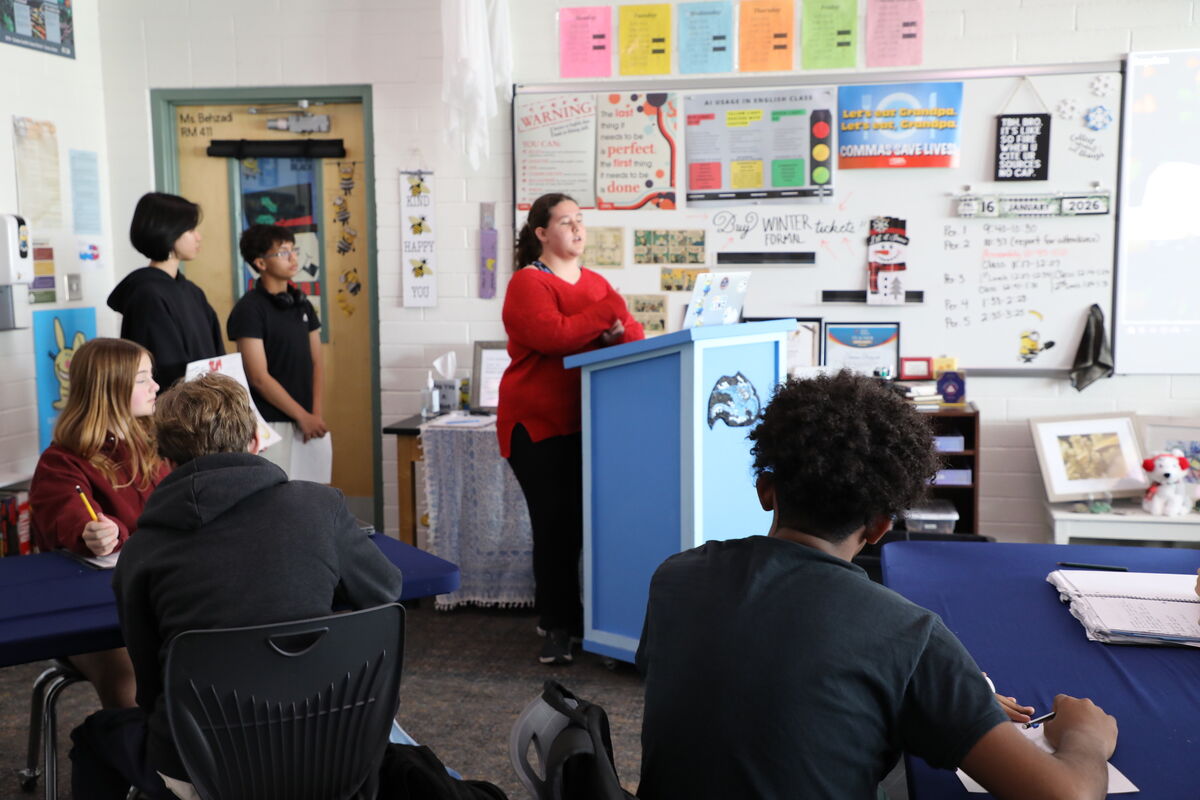 The Quiz Question: A Different Perspective
What made this project unique was the requirement that students create the assessment tool. Each group designed a 15-question quiz using multiple question types—matching, true/false, multiple choice, fill-in-the-blank, and short answer—scaffolded from easy to difficult.
This role reversal changed how students approached the content. When asked how stepping into a teacher's role affected their work, one student reflected: "You're trying to make it easier to understand. You can't really just make it too complex. You have to make sure they're getting this information."
Ms. Behzadi appreciated how the teaching role shifted student priorities. Rather than creating the most impressive presentation, students focused on clarity and comprehension, carefully considering what information was essential and how to communicate it effectively.
Building Background for Literature
The project represents Ms. Behzadi's commitment to providing cultural and historical context before students encounter complex literature. Earlier in the year, students completed similar background work before reading Persepolis, learning about Persian history and the Iranian Revolution to better understand the graphic novel's setting and themes.
"This isn't a history class or social studies," Ms. Behzadi reminded students. "It's just a basic overview—a tasting—so that when we're reading Life of Pi and the protagonist talks about Hinduism, you can say, 'Oh yeah, that's the one with the 33 deities,' and the story makes more sense."
The presentations took place over several days, with groups explaining their religion's core beliefs, practices, key figures, and symbols. Posters displayed in the classroom reinforced the learning, featuring images of sacred texts, religious symbols, and places of worship. Students emphasized similarities across religions: practices such as prayer, fasting, pilgrimage, and meditation that appear in different forms across faiths.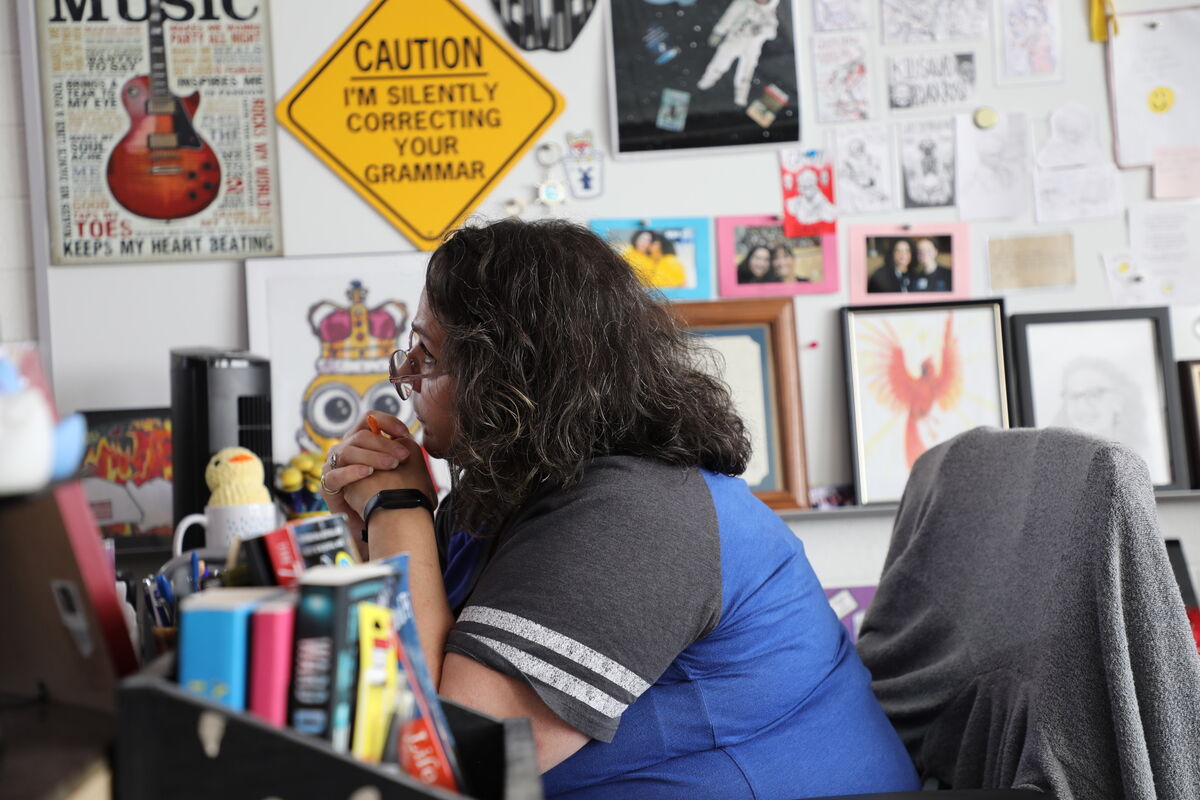 Real Learning, Real Understanding
Throughout the presentations, Ms. Behzadi guided students in identifying which information was quiz-worthy, helping them distinguish between interesting details and essential concepts. The project embodied what education looks like when students take ownership of their learning. By researching, organizing, teaching, and assessing their peers, these ninth graders didn't just prepare for a novel—they practiced the skills of critical thinking, public speaking, collaboration, and empathy that will serve them long after they finish Life of Pi. As students filed out after presentations, having learned about the Quran and the Vedas, the concept of Moksha, and the pilgrimage to Mecca, they carried more than notes for a quiz. They carried understanding: the kind that transforms how you read a story about a boy, a tiger, and a journey across the ocean guided by faith.